+386 (0) 51 231 154CONTACT US
Cart €0.000

You have no items in your shopping cart.

Product was successfully added to your shopping cart.

Bar Refrigerators

Professional bar refrigerators for fast, organised service Bar refrigerators keep bottled and canne... Read more
Set Descending Direction


12 Item(s)

Set Descending Direction


12 Item(s)

Professional bar refrigerators for fast, organised service

Bar refrigerators keep bottled and canned drinks chilled, organised and readily accessible to staff. Glass doors provide a clear view without unnecessary opening, while internal LED lighting improves stock visibility and presentation. They are suitable for bars, cafés, restaurants, hotels, bistros, clubs and other hospitality venues.

The Table-Line range includes compact undercounter and tall upright models with single, double or triple doors. Nominal capacities range from approximately 75 to 512 litres. Before purchasing, compare external dimensions, shelf layout, door type, temperature range, electrical connection, climate class and ventilation clearances.

Undercounter or upright bar refrigerator?

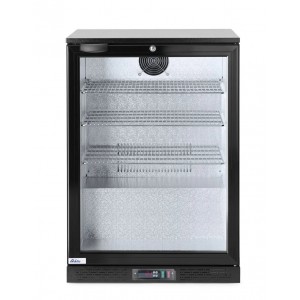
An undercounter bar fridge suits a service station where drinks must remain within immediate reach. Compact single-door units fit smaller menus, while wider double- or triple-door models help separate different beverage groups.

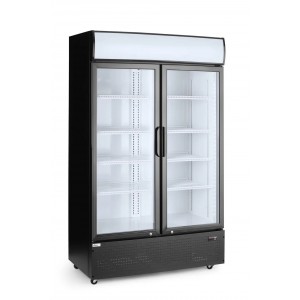
An upright beverage refrigerator provides more stock space and visible merchandising. Check room height, delivery access, door clearance, floor stability and access to ventilation components before installation.

Choosing capacity: from compact to large models

For a smaller venue, consider the compact 86 L single-door model or the 105 L bar fridge. A wider counter can accommodate the 158 L double sliding-door model or the 254 L triple sliding-door model.

For larger stocks and visible merchandising, the 512 L upright double-door refrigerator offers substantial display space. Do not select on litres alone: check shelf dimensions and load limits as well as the actual bottle and can formats in your range.

Hinged or sliding doors?

Hinged doors give wide access for restocking but need clear space in front. Sliding doors do not project into the working aisle and are useful behind narrow or busy bars. For either type, check self-closing operation, seals, locks and ease of cleaning around gaskets or tracks.

Temperature range and actual drink temperature

Most reviewed models are specified for 0–10°C or 2–10°C. The controller setting does not always equal the instantaneous temperature of every bottle. Ambient conditions, initial drink temperature, new stock, door opening, product layout and airflow all affect pull-down and stability.

Do not block internal air openings or pack products so tightly that air cannot circulate. Add large quantities of warm stock gradually and allow sufficient cooling time before peak service. Operate the unit within its specified climate class.

Ventilated cooling, defrosting and condensation

A fan assists cold-air distribution, while small fluctuations caused by compressor cycles are normal. Automatic defrost reduces manual work but does not replace cleaning of drains, door seals and accessible ventilation surfaces as instructed.

Glass may mist in high humidity, after frequent door opening or where the temperature difference is large. Check door closure, seals, room ventilation and settings. Persistent faults or refrigeration work require a qualified technician.

Correct installation and ventilation

Do not enclose a refrigerator in furniture merely because its dimensions fit beneath a counter. Maintain the manufacturer's clearances and heat-rejection path. Keep ventilation openings clear and avoid ovens, dishwashers, radiators and direct sunlight.

Check floor level and load capacity, electrical access, cable routing, cleaning clearance and service access. After transport, leave the appliance standing for the period required in its instructions, then allow the empty cabinet to stabilise before loading.

Shelves, glass doors and LED lighting

Adjustable shelves accommodate different package heights. Distribute heavy bottles evenly, observe shelf load limits and keep products stable. Glass doors and LED lighting improve visibility, but stock still needs regular rotation.

Cleaning and safe daily operation

  • Remove spills promptly from shelves, gaskets and sliding tracks.
  • Clean the interior with a soft cloth and products permitted by the instructions.
  • Clean doors, handles and seals regularly and check that gaskets seat evenly.
  • Keep accessible condenser and ventilation areas free of dust as instructed.
  • Disconnect the appliance before cleaning or moving it.
  • For a long shutdown, empty, clean and dry the cabinet, then leave the doors ajar.

A bar refrigerator is not a freezer, food refrigerator or wine cabinet

A bar fridge is primarily designed for quick access, cooling and display of packaged beverages. It is not suitable for freezing. Store food only when the specific model is expressly approved for it. For controlled wine service and storage, choose a dedicated wine cooler.

How to choose a Table-Line bar refrigerator

First define your package formats, maximum stock and the volume that must be chilled before peak service. Then compare capacity, shelf dimensions, external size, hinged or sliding doors, temperature range, energy and climate class, connected load, noise, heat rejection and service access.

Frequently Asked Questions

What is the difference between an undercounter and upright bar refrigerator?

An undercounter unit saves space and gives quick workstation access. An upright model offers greater stock capacity and more prominent display.

Are hinged or sliding doors better for a bar?

Sliding doors suit narrow aisles, while hinged doors give wider access. The right choice depends on the available space and workflow.

How many drinks fit in a refrigerator of a stated capacity?

The number depends on bottle and can sizes, shelf positions and the space required for air circulation.

Why does the displayed temperature change?

The compressor cycles, while door opening, new stock, ambient temperature and sensor position also affect the reading.

Can I install a bar refrigerator under a counter?

Only when the instructions permit the installation and all specified ventilation clearances remain open.

Can a bar refrigerator store food?

Only when the particular model is approved for food and its temperature range suits the product concerned.

Ali lahko v barskem hladilniku zamrzujem izdelke?

Ne. Barski hladilnik ohranja pozitivne temperature in ni nadomestilo za zamrzovalnik.

Zakaj se na steklenih vratih pojavlja kondenzacija?

7. Can I freeze products in a bar refrigerator? No. A bar refrigerator operates at positive temperatures and is not a substitute for a freezer. 8. Why does condensation form on the glass? High humidity, frequent opening, a poor door seal or a large temperature difference can cause condensation.